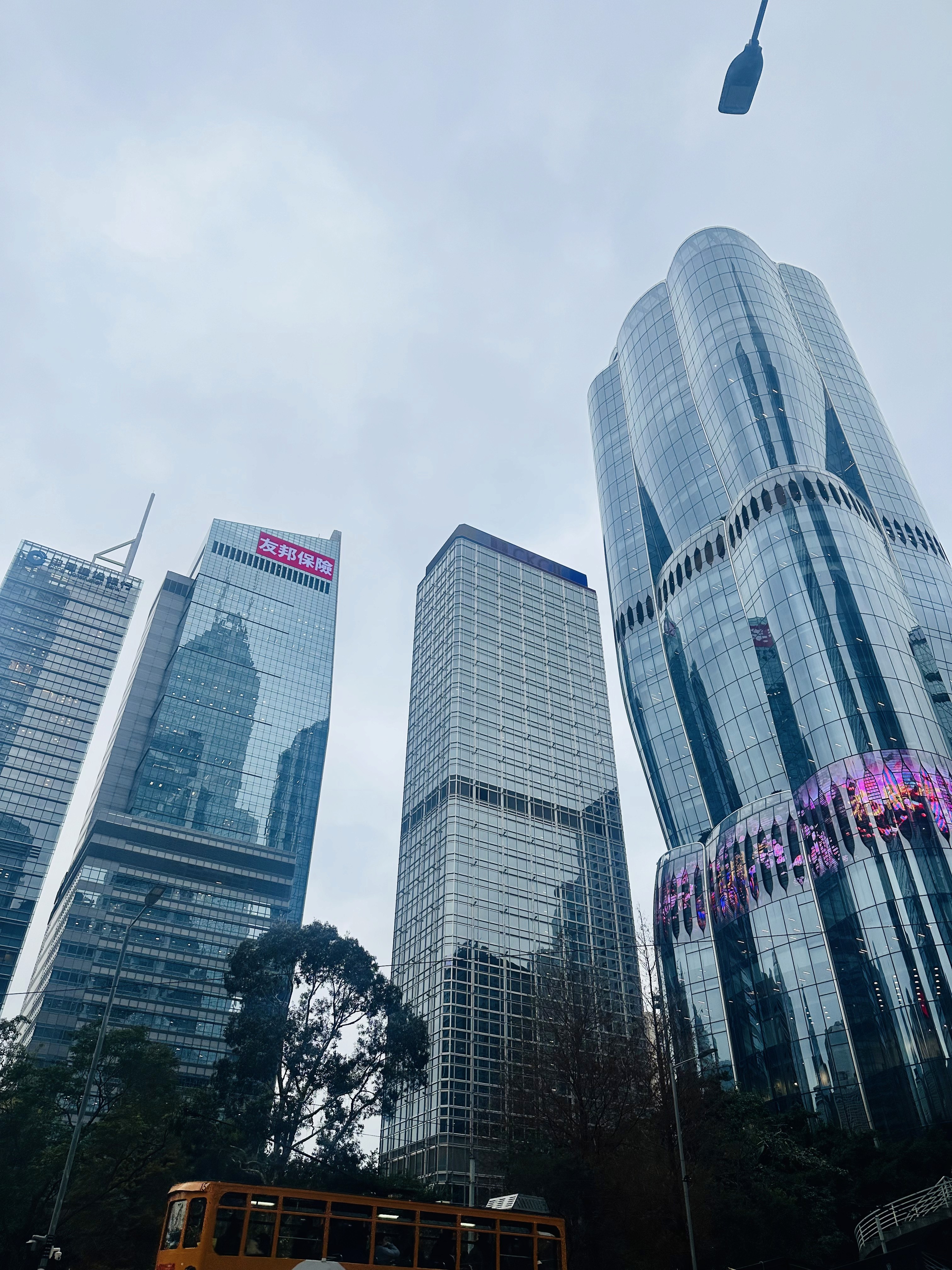
Greater China’s Tokenisation Map 🗺️
If You Want to Track Asia’s Tokenisation Direction, Watch Hong Kong - Not the Headlines
Just wrapped a business swing through Shanghai, Shenzhen, Hong Kong, and Macau, and it left me with a clearer picture of where Tokenisation of Real World Assets (RWAs) may be heading in Greater China.
On 6 Feb 2026, Chinese authorities issued the Notice on Further Preventing and Handling Risks Related to Virtual Currencies and RWA Tokenisation (Yinfa [2026] No. 42), which reiterates that virtual currency–related business activities are prohibited and clarifies the regulatory stance toward RWA tokenisation activities.
Separately, regulators released the Regulatory Guidance on Offshore Issuance of Asset-Backed Securities Tokens Supported by Onshore Assets, setting out a strict compliance framework for offshore tokenised ABS backed by PRC onshore assets - covering, among other things, required approvals/filings and oversight by the China Securities Regulatory Commission (CSRC); and
At Consensus Hong Kong 2026 (Feb 10–12), Hong Kong’s Chief Executive John Lee Ka-chiu reiterated that the city expects the first batch of stablecoin issuer licences “next month” (widely reported as targeting March 2026).
A few reflections from the ground (views are my own):
1) The bridge: HKD, CNH, and what comes next 💡
Mainland China’s inbound and outbound capital controls (for good reasons) mean that open, public-chain monetary networks - whether stablecoins or other crypto-native rails, are not an easy fit at this stage. But that shouldn’t be read as “constraints to innovation.” China has long pursued a distinctive approach to managing cross-border liquidity and currency connectivity - maintaining onshore policy coherence while leveraging Hong Kong’s unique role as an international financial centre to create controlled, functional links to global markets. In practice, this includes Hong Kong’s Linked Exchange Rate System for the HKD, Hong Kong’s position as the global offshore RMB (CNH) hub, and regulated cross-border access channels such as Stock Connect and Bond Connect, which facilitate market connectivity and capital flows within defined boundaries.
Viewed through that lens, “one country, two systems” is not just a constitutional arrangement, it is also a financial/monetary architecture. It has enabled Hong Kong to serve as a high-trust testing ground where new market practices can evolve within clear boundaries, and that logic is now increasingly visible in the next wave of digital money and digital-market infrastructure.
2) From early builders to the next wave 💡
Just as importantly, the talent is real - and it has a track record. Some of the earliest waves of crypto entrepreneurship and infrastructure-building were closely connected to China’s builder ecosystem. For example, Binance was founded by Changpeng Zhao (“CZ”) in 2017 and was initially closely associated with the China market before moving offshore as regulation evolved. Meanwhile, early innovation around bitcoin mining hardware, mining pools, and adjacent supply chains was also heavily shaped by Chinese engineering and manufacturing capabilities. Even in Ethereum’s formative fundraising period, the China connection was visible.
That same mix of execution speed, deep technical capability, and market-driven capital formation continues to produce people who genuinely understand RWA structuring, smart-contract design, and token-economics: across Mainland China, Hong Kong, and a broad global diaspora.
Zooming out, AI is advancing machine intelligence, while tokenisation is reinventing financial infrastructure and payment rails. They’re best viewed as two parallel, equally important frontiers - both technology waves in different domains, driven by the same force: world-class builders and talent competing to shape what comes next.
3) Hong Kong as a compliant connector between assets and capital 💡
Hong Kong’s next role could be the connector between assets and capital - compliantly. If China’s onshore assets can be structured within a lawful framework, and then interfaced with Hong Kong’s regulated market infrastructure (including licensed stablecoin issuance), we may see a pragmatic pathway for asset–capital matching that is both investable and governable: less “wild west,” more “regulated innovation.” In many ways, this would echo Hong Kong’s previous chapter as a catalyst: it helped mainland China absorb and operationalise financial institutions and market practices that had already been proven in Western systems.
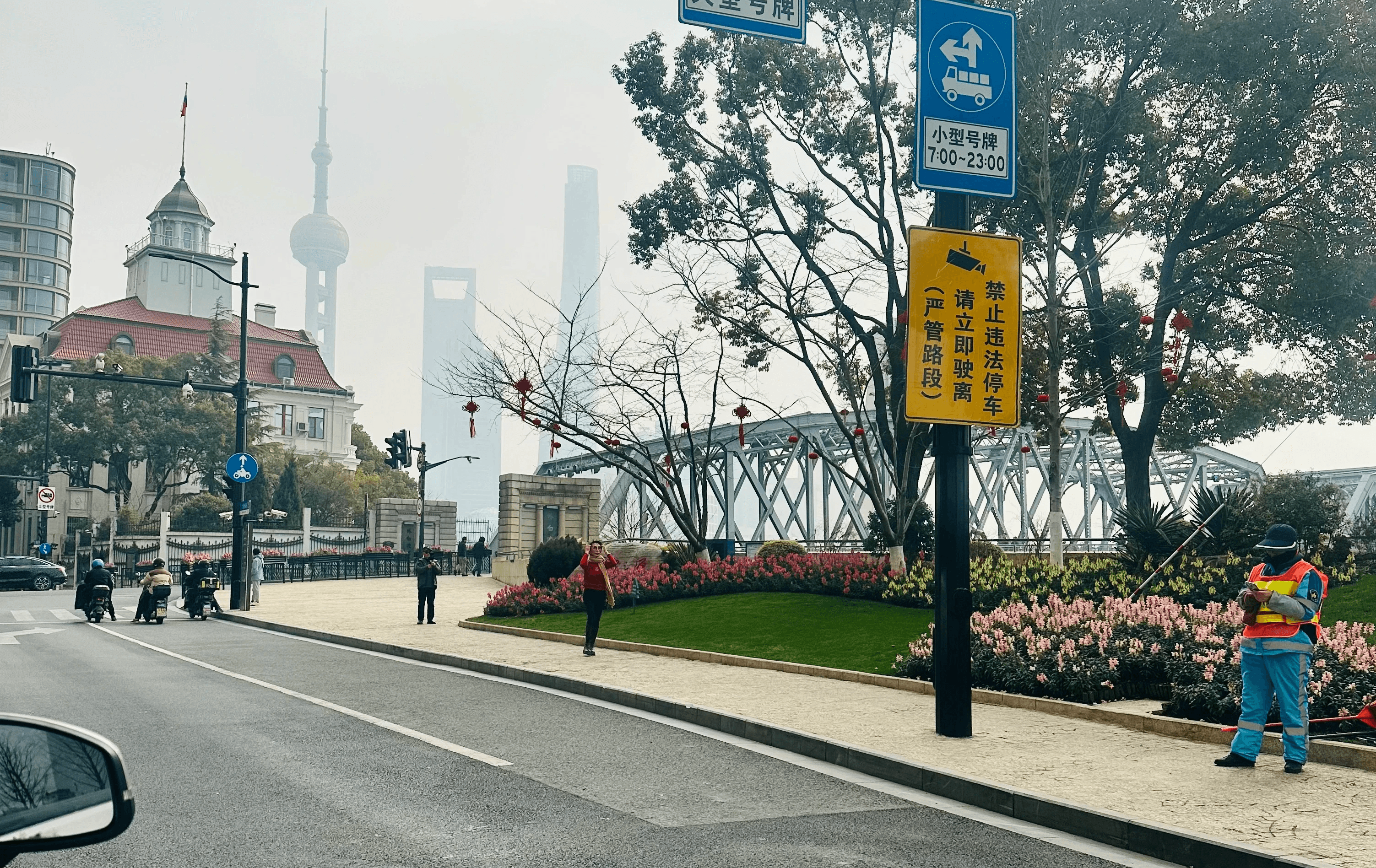
Shanghai - a core financial centre of the Mainland, anchoring high value assets and advancing RWAs and RDAs exploration through platforms such as the Shanghai Data Exchange.
This time, though, the task is different. The policy work and market experimentation around tokenisation and new payment rails isn’t about “importing” a mature playbook: it’s about building a new financial-and-payments stack that the whole world is still figuring out. In that sense, everyone is “crossing the river by feeling the stones” - to borrow Deng Xiaoping’s famous reform-era metaphor for China’s step-by-step approach to opening up. And just as today’s digital-money and tokenisation wave may become another shared learning journey: a coordinated, iterative process between Hong Kong and the Mainland - carefully executed within clear boundaries, and continually refined through real-world feedback. Given the particular sensitivity and structure of Mainland China’s monetary policy, Hong Kong is well positioned to serve as a more important sandbox for regulated tokenisation and blockchain-enabled financial infrastructure, especially where it can connect Mainland assets, talent, and institutional participation with a compliant, globally legible market framework and global pools of capital.
My takeaway is simple 🦋: in Hong Kong’s “bridge” moment, the winners won’t be those who chase narratives, but those who ship credible, compliant workflows - starting with payment finance innovations, and risk controls - then scale into broader tokenisation as policy clarity matures. That’s the lens we’re taking at Bloom Fintech, and I’d love to compare notes with others building in regulated digital assets, across Australia, Asia, and globally.
Belle Lou | Founder of Bloom Fintech | 17 February 2026
#Tokenisation #ProgrammablePayments #RWA #HongKong #TradeFinance #Stablecoins